HISTORY OF HIMALAYAS
Also Known As: Himvan, Himvat, Himachal And Himadri
Famous Peaks: Mount Everest, Kunchenjunga, Nanga Parbat
Etymologically Himalaya means "abode of snow" in sanskrit {from hima "snow", and aalaya "abode"}. The correct name for the range is Himalaya, though the plural Himalayas is often used. The Himalaya stretch across five nations Pakistan, China, India, Nepal, and Bhutan. It is the source of two of the world's major river systems — the Indus Basin and the Ganga-Brahmaputra Basin. An estimated 750 million people live in the watershed area of the Himalayan rivers, which also includes Bangladesh. The Himalaya is a mountain range in Asia Separating the Indian Subcontinent from the Tibetan Plateau. By Extension it is also the name of the massive mountain system which includes the Himalaya proper, the Karakoram, the Hindu Kush, and host of minor ranges extending from the Pamir Knot.
Sub Ranges And Hills
The Greater Himalayas is further divided into two major sub ranges in Indian Subcontinent known as Sub-Himalayan Range and Lower Himalayan range or Mahabharat Range. These two major mountain ranges of Great Himalayas are home to many highest peaks,glaciers hill stations, river valleys, flora and fauna. Sivalik Hills is youngest mountain range of the Himalayas and known for its Shivalik Fossil Park, Doon valley and world famous Corbett National Park.
Highest Mountain Peaks
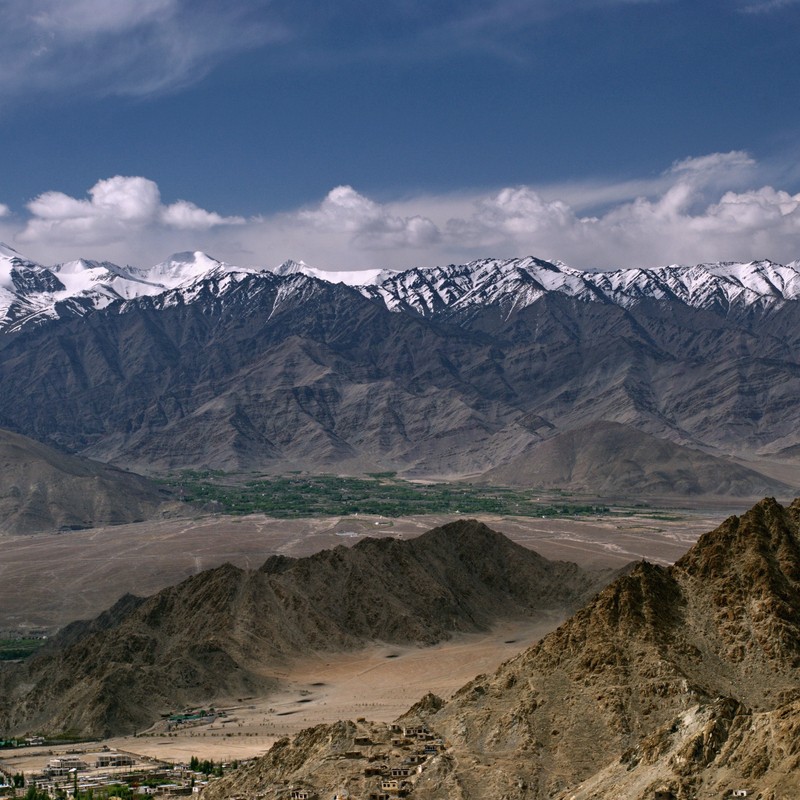
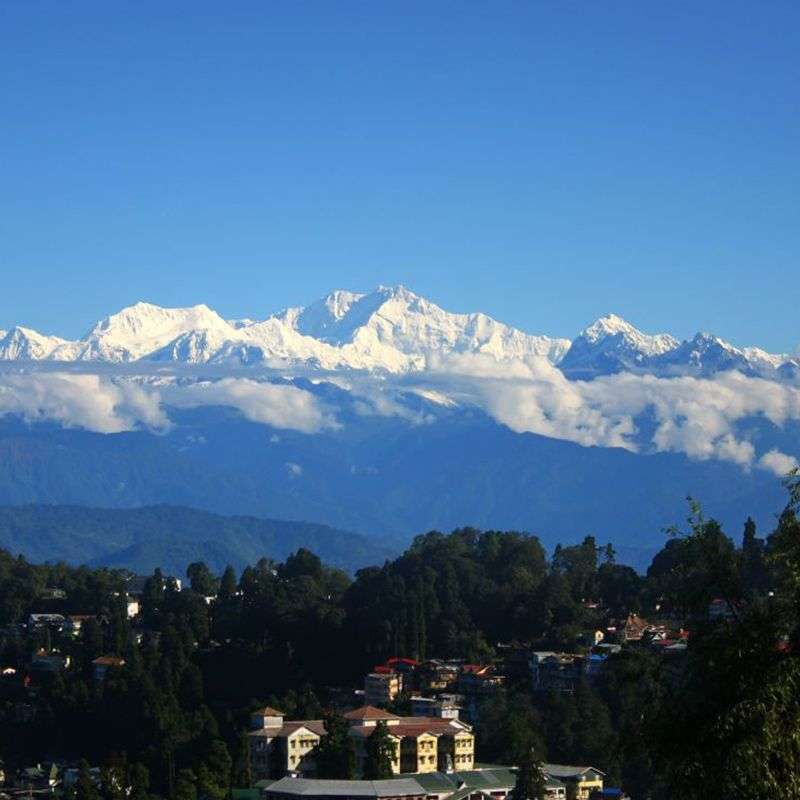
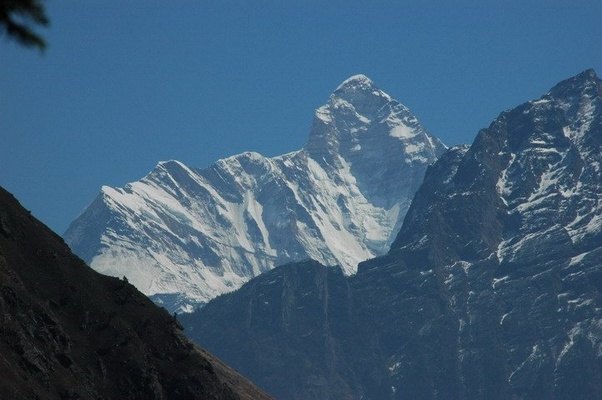
The Himalayan mountain range contains hundreds of mountain peaks including the planet’s highest peaks,Mount Everest. Indian Himalayan mountain range the Karakoram ranges,Garhwal Himalaya and Kanchenjunga range are home to tallest summit in India known as Kanchenjunga, Nanda Devi and Kamet. Kanchenjunga is the highest mountain peak in India with an elevation of 8,586 m (28,169 ft) in the India-Nepal border.

Himalayan River Valley
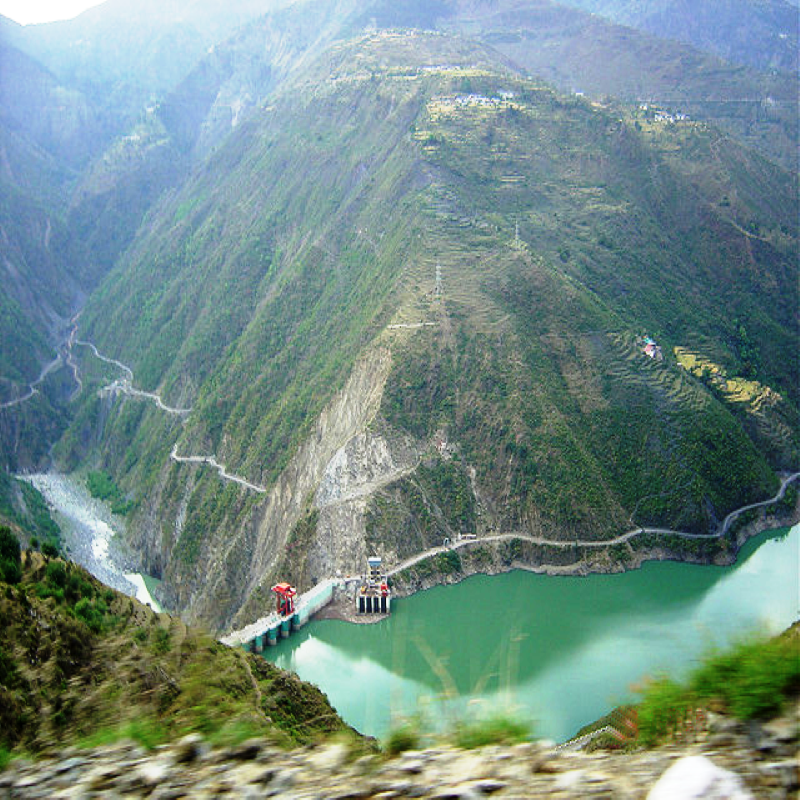
Himalaya region is home to some of the world’s major river such as the Tsangpo-Brahmaputra,the Indus and holiest river the Ganges all rise next to Greater Mount Kailash of the Himalayas. Lake Manasarowar and Lake Rakshastal are the two major source of these mighty rivers of India, located near to Mount Kailash- a sacred place of major religion of Hinduism, Buddhism and Jainism. The Himalayan river valley offers breathtaking views of the majestic Himalayan foothills, snow cladded mountain and hills covered with a carpet of flowers in Valley of Flowers National Park. Other major rivers of the Himalayas are the Sutlej River,Brahmaputra River and Karnali River, a tributary of the Ganges river.
Great Himalayan Lakes
highest peak of the world
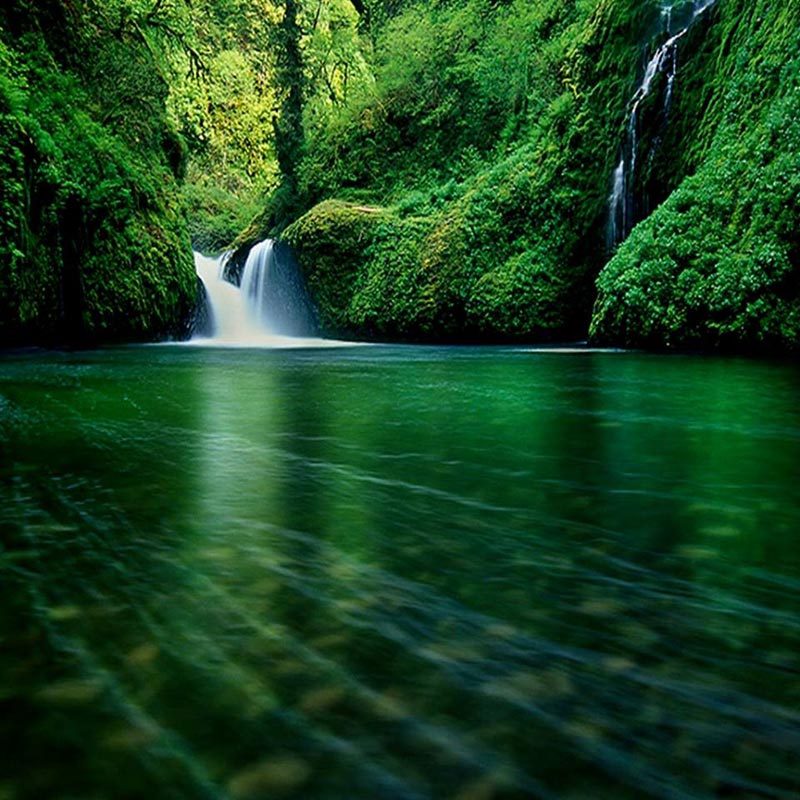
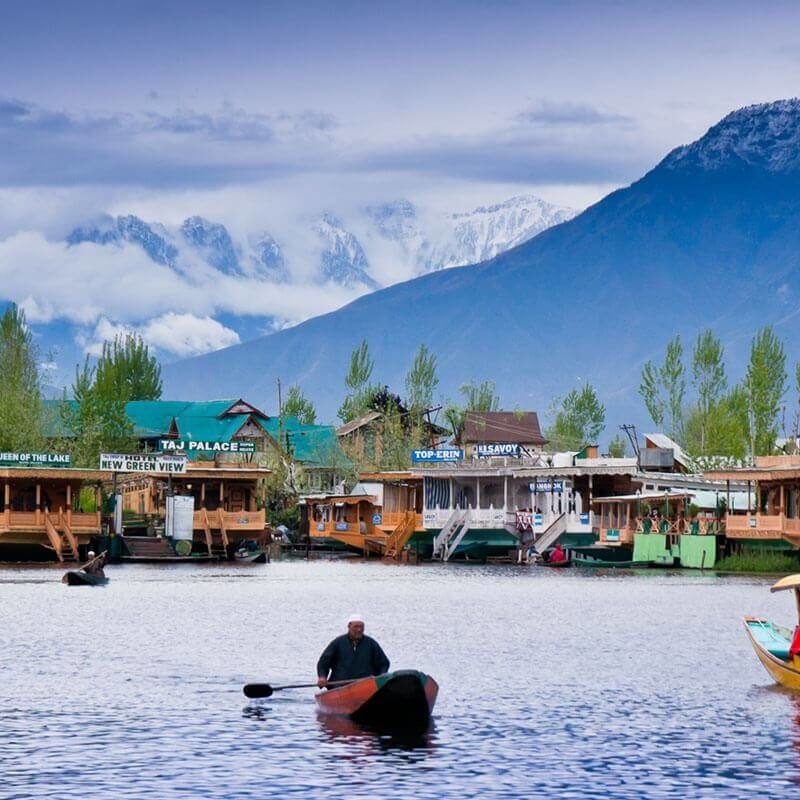
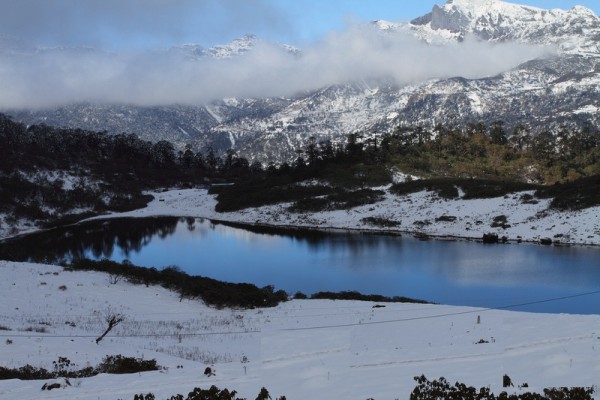
The mountain chain dotted with hundreds of high altitude and low elevation lakes,fed by Glacier of Himalaya. Many of Great Himalayan lakes are fresh water lakes nested in the frozen mountains and high hills. Major glacial lakes in the Himalayas are Lake Manasarowar and Lake Rakshastal, along with some of high altitude frozen lakes of Sikkim Cholamu Lake,Gurudongma lake and Frozen lake of Tawang.

High Altitude Mountain Passes
All the major dangerous, adventures and high altitude mountain passes are located in the great Himalaya ranges, These high mountain passes at an elevation of 5,608 m (18,399 ft) such as Dungri la pass, Khardung La pass and famous Chang La pass play ‘s very important role in trade, travel,war and migration. These mountain passes offers some of the highest motorable road in India, Mana pass is the highest elevation road in the world.
Himalayan Wildlife
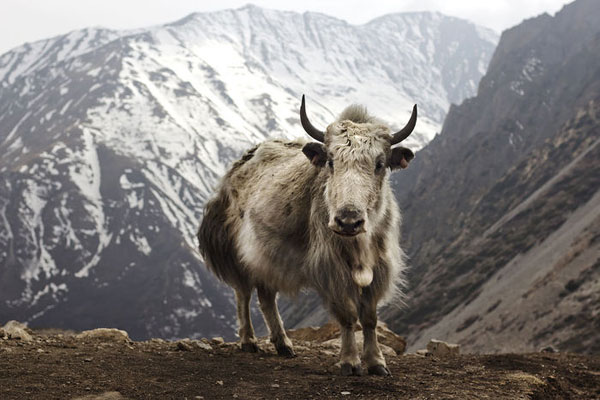
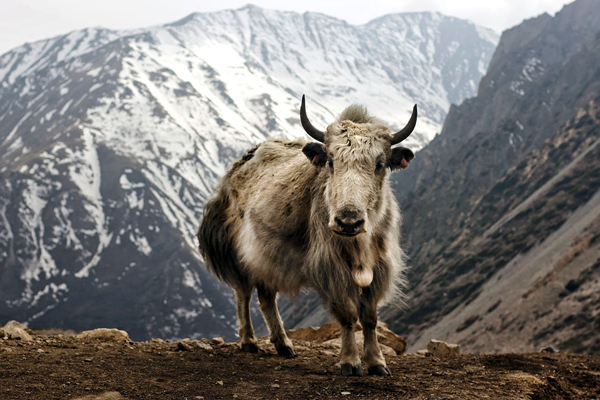
The Himalayan Wild Habitat and Conservation provides shelter to India’s unique and rarest wild animals such as endangered snow leopard, Himalayan tahr,beautiful Red panda and Himalayan Black Bear. Wildlife in the Himalayan Region offers the treasure of India in terms of beauty flora, renowned fauna and amazing Avifauna, includes Himalayan Quail,Western Tragopan, Black-lored Tit and Cheer Pheasant.The bird of prey found in the region are the Golden Eagle, the Lammergeier vulture Mountain Hawk Eagle and majestic Himalayan Griffon Vulture,an Old World vulture.
National Park And Sanctuaries
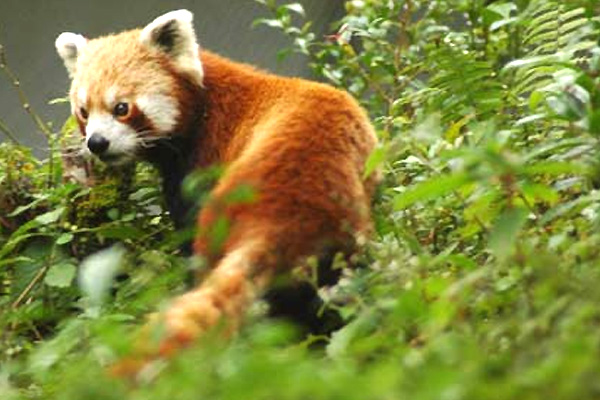
The Himalayan region contains some of the major India’s national parks and Wildlife Sanctuaries such as Great Himalayan National Park, Khangchendzonga National Park,Corbett national park and Hemis national park along with sanctuaries like Kedarnath Wild Life Sanctuary, Mountain Goat Sanctuary,Fambong La Wild Life Sanctuary and Kugti Wildlife Sanctuary.These Wildlife parks are home to nearly around 100 of mammals, 181 birds, 10 reptiles, 9 amphibians, 11 annelids, 17 mollusks and 1000 of insects along with variety of plant life.
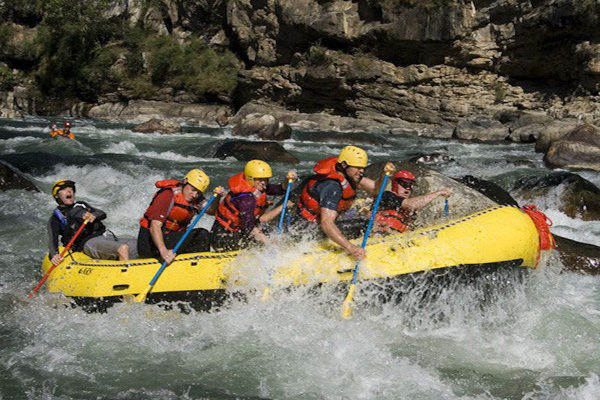
Himalayan Adventures Sports
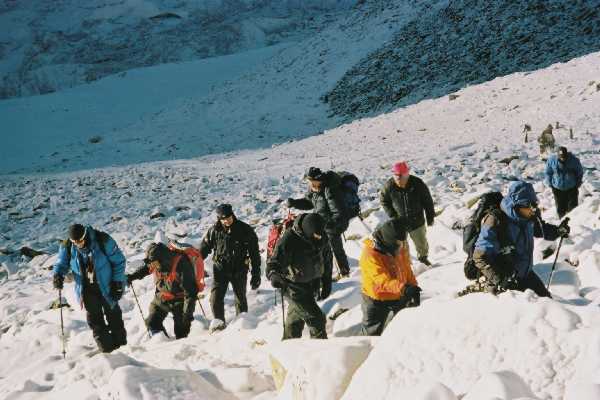
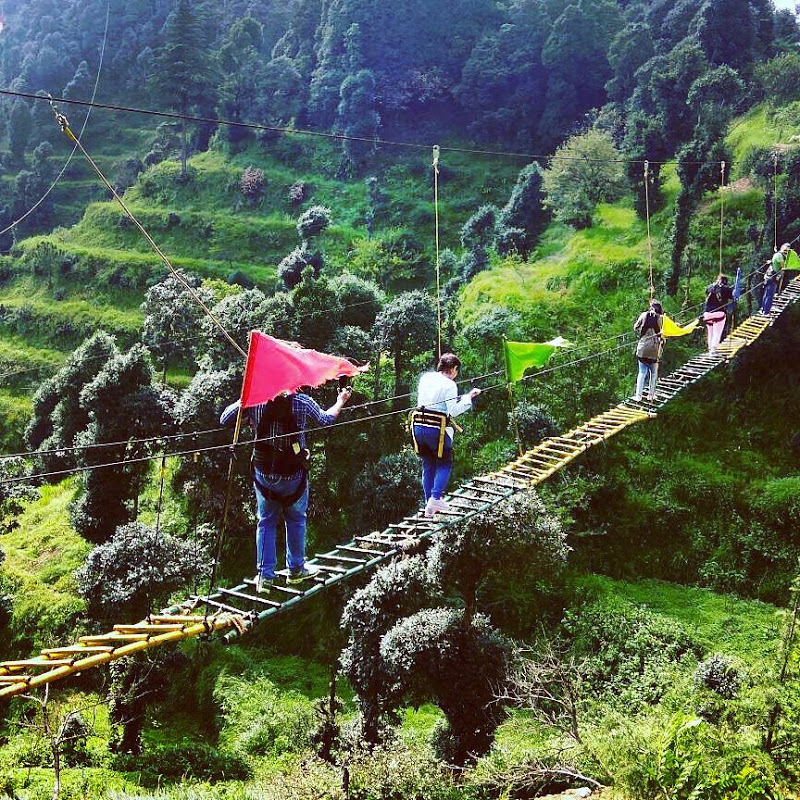
The Himalayan states and mountain region is known as the favorite spot for the all season adventure sports such as Skiing, Paragliding, Trekking, White Water Rafting and mountain climbing. Trekking and Hiking in The Great Himalaya Trail is one of the best experience to have in the longest and highest alpine walking track in the world.

Natural Beauty of Himalaya
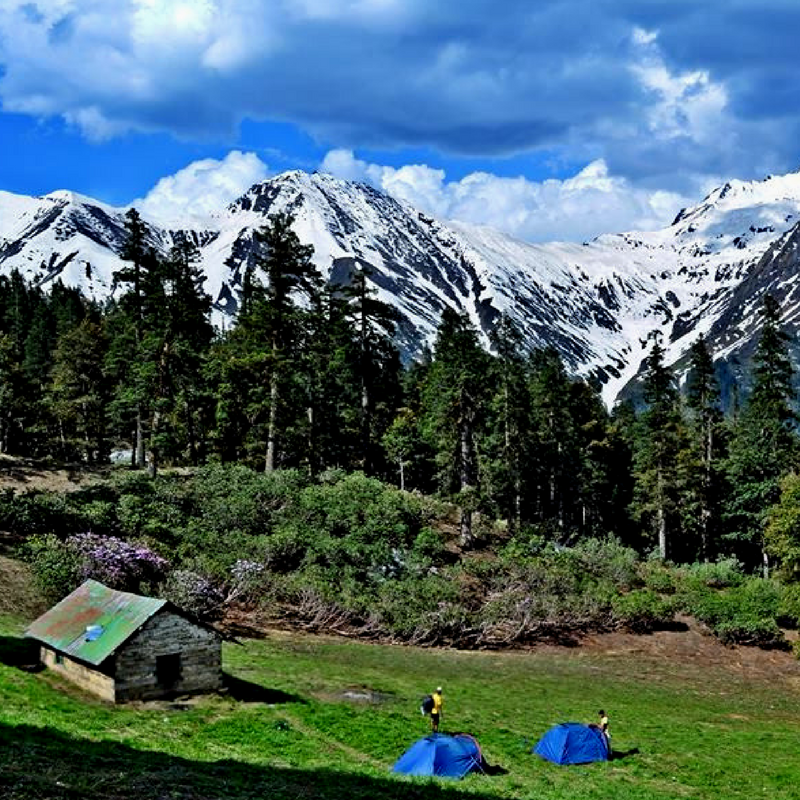
The Himalaya is one of the most beautiful place in India to explore the gift of nature, its highest peak, Snow Clad Mountains, carpet of flowers and sun rise, sunset through the mountains offers a delightful experience. Snow Clad Mountains of Himalaya is one of the 20 must see places in India along with the amazing valley of flowers in Uttarakhand. The outstanding natural beauty and endangered and endemic animals of Himalaya makes it one of the most visited tourist attraction of the country.
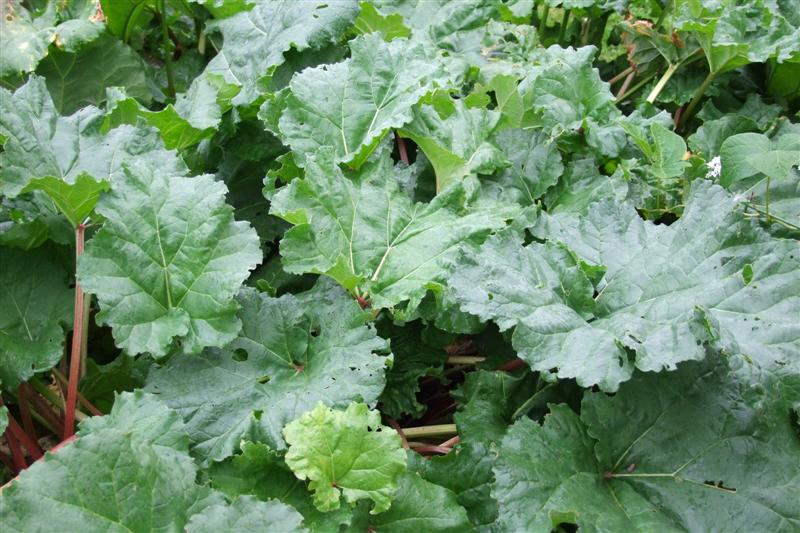
Himalayan Ayurvedic Herbs
The Himalaya mountain region is famous for its Ayurvedic Herbs and traditional cure for different disease. Himalayan Ayurvedic products provides natural and alternative care for stomach,digestion and other health related issues. Water of Himalaya is also considered as sacred as it contains minerals and herbals.
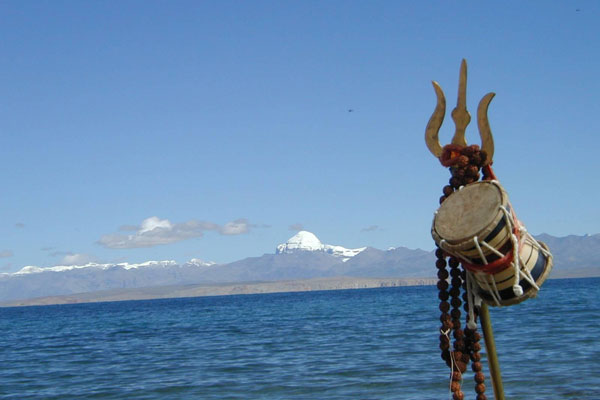
Himalayan Pilgrimage Sites
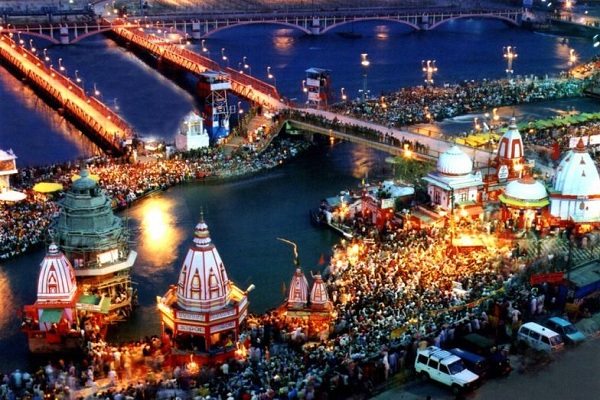
Himalaya region offers many sacred pilgrimage sites for Hindu and Buddhists, Mount Kailash is considered as sacred in Hinduism,Jainism and Buddhism. Himalaya is home to great Hindu God Lord Shiva,there are many famous temples are situated in the region such as Kedarnath, Amarnath and Tungnath,the highest Hindu shrine dedicated to Lord Shiva at an altitude of 3,680 m (12,073 ft).